Living in Mexico City
Living in Mexico City: neighbourhoods, cost of living and relocation
The cultural and culinary capital of Latin America, Mexico City has become a favourite with digital nomads for its energy, its year-round spring climate and its low cost of living. A megacity of contrasts where the choice of neighbourhood is everything.
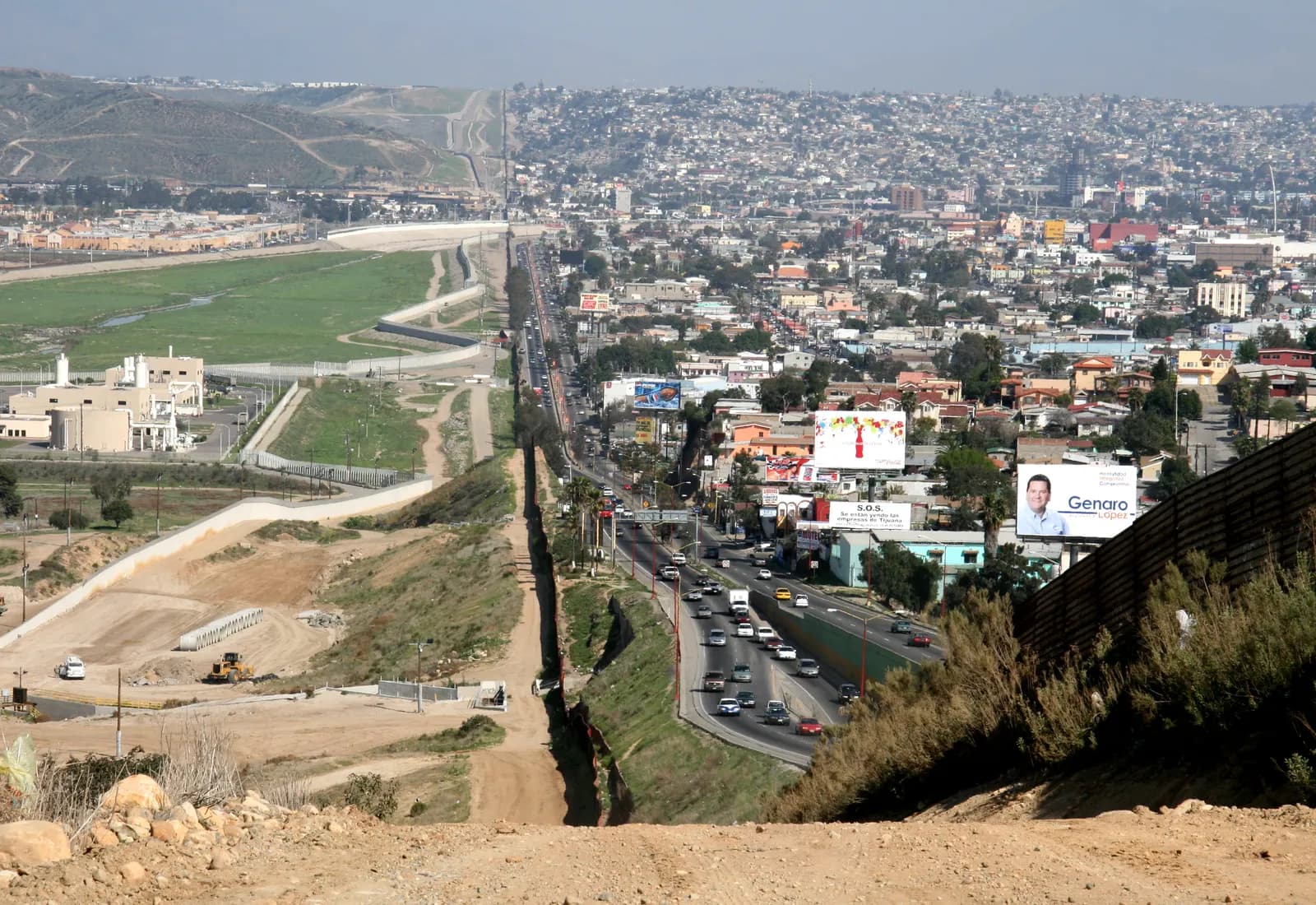
- Country
- Mexico
Key figures
- Populationabout9,200,000
- Rent, 2-room flat (centre)about€700
- Single-person budgetabout€1,800
- Flight from Parisabout12 hoursVerified on Nov 2, 2026
Where to live: the neighbourhoods
Mexico City is a high-altitude megacity, set in a basin more than two thousand metres above sea level. Its sheer size makes the choice of neighbourhood decisive: crossing the city from one end to the other can take more than two hours.
La Condesa and La Roma are the most sought-after area among foreign newcomers: early twentieth-century architecture, parks, cafés, a walkable street life. They are also the area where rents have risen most with the arrival of remote workers.
Polanco is the affluent neighbourhood par excellence, with embassies, corporate headquarters and luxury shopping. Prices there are the highest in the city and the atmosphere is noticeably more formal.
Coyoacán and San Ángel, to the south, retain the feel of a colonial village, with squares, markets and low-rise houses. They attract families and academics, at the cost of being far from the business district.
Finally, Santa Fe, to the west, concentrates office towers, shopping centres and international schools in an environment designed entirely around the car. It is a professional choice rather than a lifestyle choice.
One principle governs all these choices: in Mexico City, quality of life is measured in daily commuting time, not distance. A home close to your workplace is better than a larger one at the other end of the metropolitan area, and this trade-off comes before all others.
Housing: the rental market
We do not publish a median rent for Mexico City: we have not found an official series publishing rents by neighbourhood in Mexico City, and we do not use estimates from property listing portals.
The rental market is plentiful, but access to it depends on a disconcerting local requirement: landlords frequently ask for a guarantor who owns property in the city, or for a rental guarantee policy taken out with a specialist company.
A newcomer without local ties therefore usually takes the second route, whose cost comes on top of the security deposit, usually one month's rent. This is the main practical difficulty of a first move.
The arrival of foreign remote workers since 2020 has fuelled a local public debate about the gentrification of La Condesa and La Roma. It does not translate into hostility, but it is real and influences municipal decisions.
As for buying, foreigners can purchase freely, except in the so-called restricted zone, a coastal and border strip where acquisitions must go through a bank trust. Mexico City, being inland, is not affected.
Cost of living
Mexico City offers a large cost gap with Europe for services, labour, local restaurants and transport. The gap narrows for imported goods and electronics.
We do not publish a typical monthly budget: we have not found an official Mexican series measuring a basket of spending comparable to that of an expatriate.
Altitude and air quality are two parameters specific to the city. Acclimatisation takes a few weeks, and winter pollution episodes are documented and regular.
Safety is the issue that prospective movers assess least accurately from abroad. The situation varies considerably from one neighbourhood to another and from one state to another; the central neighbourhoods of the capital bear no comparison with the most exposed regions of the country.
The Mexican income tax scale starts at 1.92%5 and reaches 35%6 at its top marginal rate.
Community & expat life
Mexico City's French community is long-established and large, with a complete school network, an active chamber of commerce and a fabric of French companies that have been present for many years.
Spanish is essential: English is not widely spoken outside business circles and international neighbourhoods. This is a notable difference from other Latin American destinations.
Mexican temporary residence is granted on proof of economic solvency, assessed by reference to monthly income of around about $4,3007 or an account balance of around about $73,0008.
It is granted for a maximum of up to 4 years9, after which permanent residence can be applied for. The initial application is filed at a consulate, from abroad, not in Mexico.
Practicalities: transport, health, good to know
The Mexico City metro is vast and very cheap, complemented by a bus rapid transit network. It is overcrowded at rush hour, and its condition has been criticised after several incidents.
Two airports serve the metropolitan area, with direct flights to Paris. The city is a convenient starting point for the whole of Latin America.
The public healthcare system is overstretched, and private provision, of a good standard in the capital, is the norm among expatriates. International insurance is essential.
- The temporary residence application is filed at a consulate from abroad, not in Mexico.
- A lease often requires a local guarantor or a rental guarantee policy to be taken out.
- The restricted zone only covers the coasts and borders: Mexico City is outside it.
- Seismic risk is real: check the building's compliance and age before signing.
Frequently asked questions
What budget do you need to live in Mexico City?
Which neighbourhoods suit an expatriate in Mexico City?
Roma and Condesa for digital nomads, Polanco for upmarket living, Coyoacán for peace and quiet, Santa Fe/Lomas for families and international schools.
Is Mexico City safe?
Safety varies a great deal between neighbourhoods: the expatriate areas (Roma, Condesa, Polanco) are relatively safe with the usual precautions.
Sources and verification dates
- 1.
Population : 9,200,000
- 2.
Rent, 2-room flat (centre) : €700
- 3.
Single-person budget : €1,800
- 4.
Flight from Paris : 12 hours
Verified on Nov 2, 2026
- 5.
Mexico: rate of the first bracket of the annual income tax scale : 1.92%
« Artículo 152. […] A la cantidad que se obtenga se le aplicará la siguiente: Tarifa anual — LISR, art. 152 : première tranche imposée à 1,92 % dès le premier peso (aucune tranche à 0 %). »
ordenjuridico.gob.mxVerified on Nov 2, 2026Verified source
- 6.
Mexico: top marginal rate of the annual scale : 35%
« Artículo 152. Las personas físicas calcularán el impuesto del ejercicio sumando, a los ingresos obtenidos conforme a los Capítulos I, III, IV, V, VI, VIII y IX de este Título, después de efectuar las deducciones autorizadas en dichos Capítulos, la utilidad gravable […] A la cantidad que se obtenga se le aplicará la siguiente: Tarifa anual […] — LISR, art. 152 : dernière tranche (« En adelante ») au taux de 35,00 %, première tranche à 1,92 %. »
ordenjuridico.gob.mxVerified on Nov 2, 2026Verified source
- 7.
Mexico: reference monthly income for proof of economic solvency : $4,300
« Visa de Residencia Temporal — Requisitos […] a. Solvencia económica: 1. […] comprobante de inversiones o cuentas bancarias con saldo promedio mensual equivalente a once mil cuatrocientos sesenta días en UMA, durante los últimos doce meses; o 2. […] empleo o pensión con ingresos mensuales libres de gravámenes mayores al equivalente de seiscientos ochenta días en UMA durante los últimos seis meses. — Lineamientos Generales para la expedición de visas, DOF, 14 de julio de 2025. 680 × UMA 2025 (113,14 MXN) = 76 935 MXN par mois. »
dof.gob.mxVerified on Nov 2, 2026Verified source
- 8.
Mexico: reference account or investment balance for proof of economic solvency : $73,000
« Solvencia económica: 1. Original o documento electrónico con certificado digital de comprobante de inversiones o cuentas bancarias con saldo promedio mensual equivalente a once mil cuatrocientos sesenta días en UMA, durante los últimos doce meses — Lineamientos Generales para la expedición de visas, DOF, 14 de julio de 2025. 11 460 × UMA 2025 (113,14 MXN) = 1 296 584 MXN. »
dof.gob.mxVerified on Nov 2, 2026Verified source
- 9.
Mexico: maximum duration of temporary residency : 4 years
« Visa de Residencia Temporal — Caso en el que se presenta: Aplicable a personas extranjeras que pretendan internarse a México en la condición de estancia de residente temporal con el objeto de permanecer por un tiempo mayor a 180 días y no mayor que 4 años. — Lineamientos Generales para la expedición de visas que emiten las secretarías de Gobernación y de Relaciones Exteriores, Diario Oficial de la Federación, 14 de julio de 2025 (en vigueur quinze jours après publication). »
dof.gob.mxVerified on Nov 2, 2026Verified source
- 10.
mexique.immobilier.eur.1300 : €1,300