News brief · Nomad visas
Bali: the E33G digital nomad visa requires $60,000 in annual income
Indonesia has created a visa for remote workers, with an income requirement. The real issue is not the threshold but the day-counting rule, which is stricter than elsewhere, and the employment law attached to it.
By Editorial team · on August 7, 2026
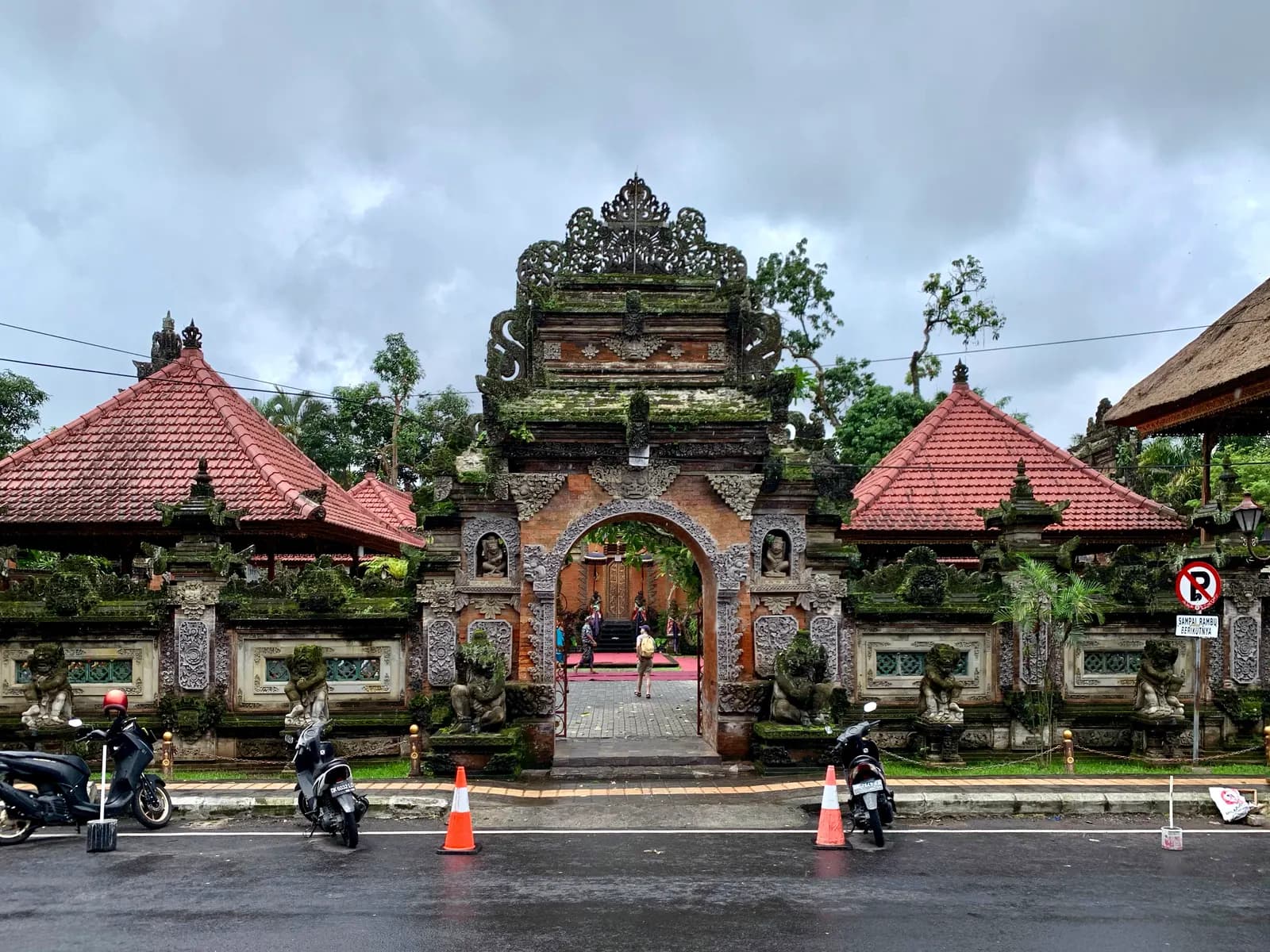
What the visa allows
Indonesia has introduced a permit for people who work remotely for an employer or clients based outside the country. It is part of a wider overhaul of immigration law, which has multiplied visa categories in recent years.
The principle is the same as for all schemes of this type: the foreigner lives in Indonesia, their income comes from elsewhere, and they do not compete in the local job market.
We do not publish the required annual income threshold, the duration of the permit or the documents to be provided: the conditions of this visa were announced and then clarified in stages, and we were unable to verify their current version in an official Indonesian source. They must be established with the Directorate General of Immigration.
This caveat is not a mere formality. Conditions announced by the press or by intermediaries have often come months before their actual implementation, and some were changed before they were even applied.
One point, however, is constant: working for Indonesian employers or clients requires a separate work permit, which none of these visas includes.
The day-counting rule, stricter than elsewhere
A regulation of the Indonesian Directorate General of Taxes defines a tax resident as a person who has their domicile in Indonesia, who stays there for more than 183 days1 in twelve months, or who stays there with the intention of residing there.
The same text specifies the method of calculation, and this is where Indonesia stands out: the period is assessed on a continuous or cumulative basis, and any part of a day counts as a full day.
A day trip out and back therefore counts as a full day. A resident who makes frequent regional trips crosses the threshold much faster than an intuitive calculation would suggest.
The criterion of intention to reside is also independent: it allows tax residency to be established from the first year, regardless of the day count, which further reduces the taxpayer's room for manoeuvre.
And the Indonesian rate schedule is not light: it ranges from 5%2 on its first band to 35%3 above the last threshold, via 15%4, 25%5 and 30%6.
What to do
- Check the current visa conditions with the Directorate General of Immigration, not with an intermediary.
- Keep a precise count of days of presence, as any part of a day counts as a full day.
- Do not work for an Indonesian client without a work permit.
- If tax residency is acquired, file and pay tax according to the rate schedule, which reaches 35%3.
- Deal with the departure from France according to its own criteria and the France–Indonesia tax treaty.
The second point is the one that catches people out. Many remote workers settled in Bali plan around stays interspersed with regional trips, assuming that these absences suspend the count. The Indonesian rule says exactly the opposite.
What remains uncertain
The gap between the practice observed in Bali and the applicable law is real, and enforcement has tightened. A significant proportion of remote workers on the island do not hold an appropriate permit and declare no income there.
Building a project on this de facto tolerance is a gamble. The Indonesian authorities have carried out enforcement operations and deportations, and the visibility of this population on social media does not make discretion any easier.
A second, more serious risk concerns property: freehold land ownership is reserved for nationals, and nominee arrangements are unlawful and penalised by loss of the property, with no effective remedy.
For a French national, the practical conclusion is that Bali offers a genuine cost of living and quality of life, but weak legal certainty on the two points that matter for a long-term move: the right of residence and the right of ownership.
Please note
Sources and verification dates
- 1.
Indonesia: length of stay that confers tax resident status (PER-23/PJ/2025) : 183 days
« berada di Indonesia lebih dari 183 (seratus delapan puluh tiga) hari dalam jangka waktu 12 (dua belas) bulan »
pajak.go.idVerified on Nov 2, 2026Verified source
- 2.
Indonesia: first bracket of the income tax scale (UU HPP) : 5%
« Untuk lapisan I (rentang PKP: 0 sampai dengan Rp60 juta) tarif pajaknya 5% »
pajak.go.idVerified on Nov 2, 2026Verified source
- 3.
Indonesia: top bracket of the income tax scale (UU HPP) : 35%
« Untuk lapisan V (rentang PKP: lebih dari Rp5 miliar) tarif pajaknya 35% »
pajak.go.idVerified on Nov 2, 2026Verified source
- 4.
Indonesia: second bracket of the income tax scale (UU HPP) : 15%
« Untuk lapisan II (rentang PKP: lebih dari Rp60 juta sampai dengan Rp250 juta) tarif pajaknya 15% »
pajak.go.idVerified on Nov 2, 2026Verified source
- 5.
Indonesia: third bracket of the income tax scale (UU HPP) : 25%
« Untuk lapisan III (rentang PKP: lebih dari Rp250 juta sampai dengan Rp500 juta) tarif pajaknya 25%. »
pajak.go.idVerified on Nov 2, 2026Verified source
- 6.
Indonesia: fourth bracket of the income tax scale (UU HPP) : 30%
« Untuk lapisan IV (rentang PKP: lebih dari Rp500 juta sampai dengan Rp5 miliar) tarif pajaknya 30% »
pajak.go.idVerified on Nov 2, 2026Verified source