News brief · Cost of living
Bali: rents rise as nomads pour in
Rents in southern Bali have risen sharply with the influx of remote workers. The gap with the rest of Indonesia has widened to the point where the cost-of-living argument no longer holds for the most sought-after areas.
By Editorial team · on August 6, 2026
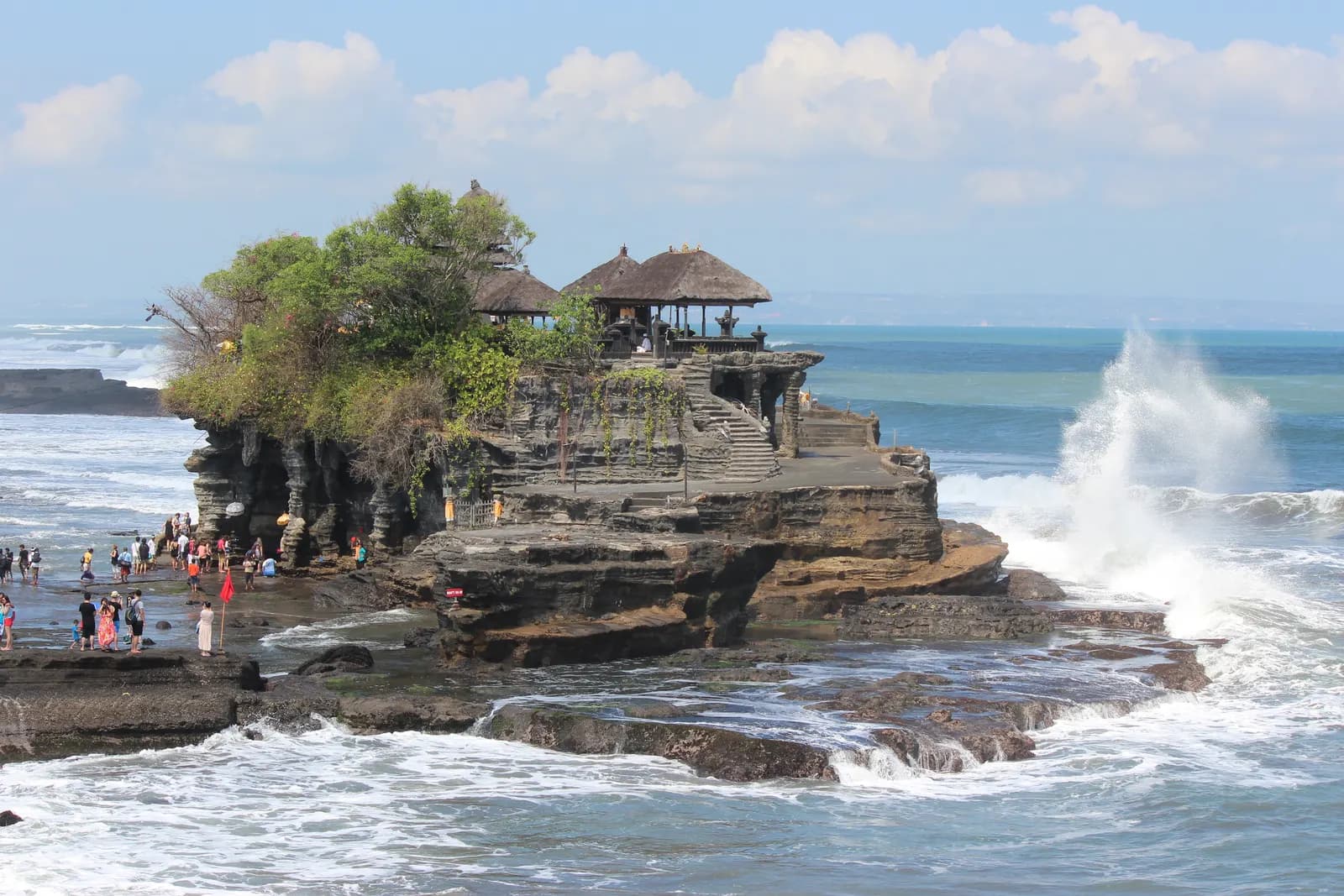
What can be said about the market
We do not publish a Bali rent index: we have not found an official Indonesian data series publishing rents by area, and we do not repeat the estimates of agencies and platforms, which are not official sources.
What can be said without figures concerns the structure of the market. The supply aimed at foreigners in the south of the island — Canggu, Seminyak, Ubud, Uluwatu — has grown up in a few years around almost entirely external demand.
This demand can pay in strong currencies and is not very sensitive to local prices, which has mechanically decoupled these areas from the rest of the Indonesian market. Rent levels there now bear no relation to Balinese incomes.
Rentals there are also often offered on an annual basis, payable in advance, sometimes for several years, which is a significant cash-flow constraint and a risk if the landlord defaults.
A newcomer must therefore distinguish between two markets: that of the international areas, at European prices, and that of the rest of the island, which is in a different league altogether. The cost-of-living argument applies only to the second.
The constraints on top of the price
Freehold land ownership is reserved for Indonesian nationals. A foreigner can hold only a right of use or a right to build, granted for limited, renewable periods.
Arrangements in which a property is bought through an Indonesian nominee are unlawful. The courts penalise them, and the foreigner then loses everything, with no effective recourse. This is the most serious risk in Bali projects.
The local authorities have also begun checks on undeclared accommodation and on the planning compliance of buildings, as several projects were built on agricultural land without permission.
Finally, water and waste management have become local public issues, with resources under strain in the most densely built-up areas. These constraints weigh on daily life more than on the budget, but they are shaping future regulatory decisions.
The tax point that comes with moving
A stay of more than 183 days1 over twelve months results in Indonesian tax residency, whatever visa is held.
The calculation method is strict: the period is assessed whether continuous or broken up, and any part of a day counts as a full day. Regional trips in and out therefore do not suspend the count.
The applicable scale ranges from 5%2 to 35%3, and dividends paid to a resident individual bear a final withholding of at most 10%4.
A remote worker who settles in Bali for the long term therefore becomes, in law, an Indonesian taxpayer taxed on a scale that is anything but advantageous. This is the reality behind the cost-of-living story.
Key takeaways
- The international areas of southern Bali can no longer be compared with the rest of Indonesia in terms of rents.
- Annual leases payable in advance are a cash-flow constraint and a counterparty risk.
- A foreigner does not own the land: only a right of use is available to them, and nominee arrangements are unlawful.
- Tax residency is acquired beyond 183 days1, with any part of a day counting as a full day.
- The Indonesian tax scale reaches 35%3: the island is not a low-tax jurisdiction.
The practical conclusion is not to give up on Bali, but to go there with your eyes open. Those who live there well and for the long term are those who have accepted holding a right of use rather than ownership, declaring their income there when they are resident, and settling outside the areas where foreign demand has set the prices.
Please note
Sources and verification dates
- 1.
Indonesia: length of stay that confers tax resident status (PER-23/PJ/2025) : 183 days
« berada di Indonesia lebih dari 183 (seratus delapan puluh tiga) hari dalam jangka waktu 12 (dua belas) bulan »
pajak.go.idVerified on Nov 2, 2026Verified source
- 2.
Indonesia: first bracket of the income tax scale (UU HPP) : 5%
« Untuk lapisan I (rentang PKP: 0 sampai dengan Rp60 juta) tarif pajaknya 5% »
pajak.go.idVerified on Nov 2, 2026Verified source
- 3.
Indonesia: top bracket of the income tax scale (UU HPP) : 35%
« Untuk lapisan V (rentang PKP: lebih dari Rp5 miliar) tarif pajaknya 35% »
pajak.go.idVerified on Nov 2, 2026Verified source
- 4.
Indonesia: final tax on dividends paid to a resident individual : 10%
« Tarif yang dikenakan atas penghasilan berupa dividen yang dibagikan kepada Wajib Pajak orang pribadi dalam negeri adalah paling tinggi sebesar 10% (sepuluh persen) dan bersifat final. »
pajak.go.idVerified on Nov 2, 2026Verified source