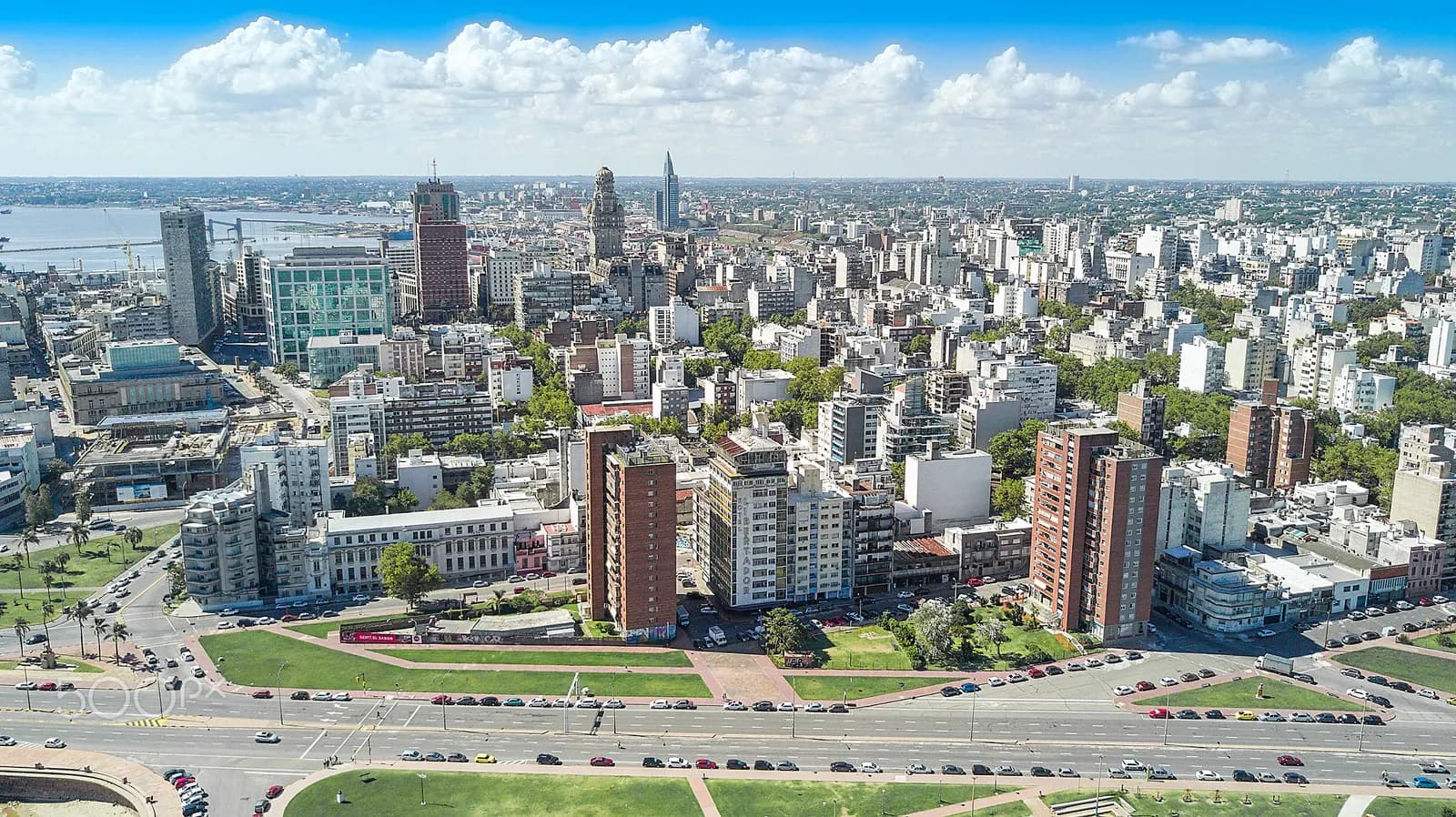
Uruguay taxes according to a tempered territoriality principle: essentially, Uruguayan-source income is taxed. Exceptions are foreign dividends and interest received by residents and, since 1 January 2026 (Law 20.446), certain foreign-source capital gains and real estate income.
Tax residence is acquired in particular by presence of more than 183 days3 in the calendar year, but also by the location of the centre of vital or economic interests — the text sets out several alternative connecting factors.
The impatriate regime
Article 24 of the consolidated text, supplemented since 2026 by an article 24-BIS, establishes a specific regime for new residents. Individuals who become resident may opt to be taxed as non-residents on their foreign-source income from movable capital, for the tax year in which they become resident and the ten following — that is, 11 years4 in total.
During this period, this foreign income bears no Uruguayan tax: the applicable rate is 0%5. For residences acquired since 2026 (article 24-BIS), the option is reserved for those who were not tax resident during the preceding from 2 years6; it also requires residing for more than half of the year, or investing in urban real estate above more than UYI 12,500,0007, or capitalising at least from UYI 625,0008 per year in productive funds (decree 188/026).
For residences acquired up to 2025 (article 24), another option existed: remaining subject to resident income tax, but at the reduced rate of 7%9 on this foreign income, with no time limit in the text. It can no longer be chosen since 31 December 2025 (Law 20.446), but remains available to those who exercised it. Beneficiaries of the short option from before 2020 may extend it if they have acquired a property worth more than more than UYI 3,500,00010 and can show a presence of at least from 60 days11 per calendar year.
When the period expires, no reduced rate applies automatically. For residences acquired since 2026 only, article 24-BIS and decree 188/026 open two options: income tax at 50%12 of the standard rate for an additional 5 years13, in return for a new real estate investment of more than more than UYI 6,250,00014 or a capitalisation of funds, or an annual flat-rate tax of UYI 1,875,00015, reduced to UYI 1,250,00016 in years of presence for more than half of the year or where more than more than UYI 45,000,00017 is contributed to a company. These options are annual and renewable, for up to up to 20 years18 after the first; the reduced rate, by contrast, can be chosen only once.
The initial option, that of taxation as a non-resident, is available only once and must be exercised expressly. This is a decisive point of timing: it cannot be made up later, and its duration runs from the acquisition of residence, not from the application.
Standard rates
Outside the impatriation regime, other Uruguayan-source income subject to non-resident tax is taxed proportionally, at a rate of 12%19. Corporate income tax is 25%20 on net taxable profit.
We do not publish the scale of personal income tax for resident individuals, nor the tax rates on real estate capital gains: they do not appear in the extracts of the consolidated text available to us.