Nomad visas — expatriation news
All our news in the Nomad visas section: reforms, conditions and figures, with their sources and dates, newest first.
Nomad visas
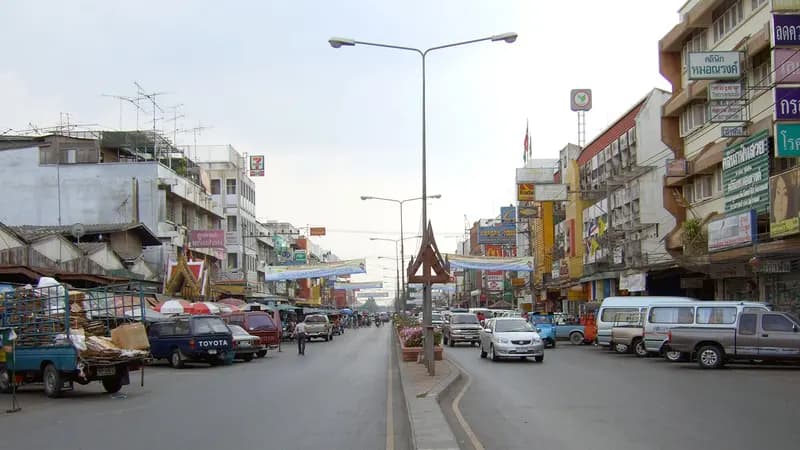
Thailand: the DTV visa settles residence, not taxation
The Thai visa for remote workers allows long stays over several years. Its real difficulty is not obtaining the visa but the tax residency threshold, which is lower than elsewhere, and the treatment of income brought into the country.
· Editorial team

Nomad visas
Thailand: the DTV digital nomad visa appeals, but the taxation of remittances remains to be clarified
Five years' validity, long stays, proof of funds: the DTV is generous on residence. On tax, the Thai rule is based on the remittance of income, and that is where most of the outcome is decided.
· Editorial team

Nomad visas
Estonia: e-Residency passes 120,000 members
The number of Estonian e-residents is growing, but the figure does not measure what it is claimed to. It counts digital identities issued, not relocations, not active companies, and not tax residencies moved.
· Editorial team
Nomad visas
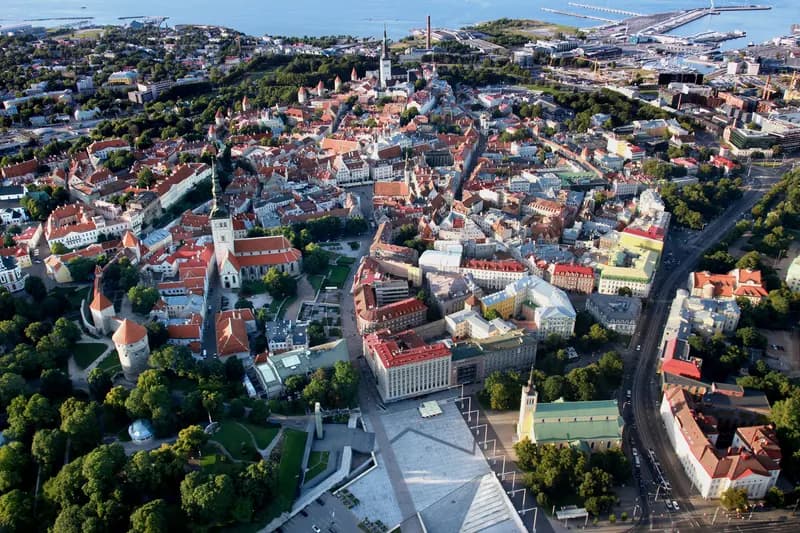
Estonia: e-Residency passes a new adoption milestone
Estonian e-Residency lets you run a company remotely. The official portal says so plainly: it confers neither a right of residence nor tax residency. This is the most costly confusion in all of digital expatriation.
· Editorial team

Nomad visas
Bali: the E33G digital nomad visa requires $60,000 in annual income
Indonesia has created a visa for remote workers, with an income requirement. The real issue is not the threshold but the day-counting rule, which is stricter than elsewhere, and the employment law attached to it.
· Editorial team

Nomad visas
Croatia: digital nomad visa extended and relaxed
Croatia has lengthened and relaxed its stay for remote workers. The scheme nevertheless remains limited in time, and its value for a French national is indirect: freedom of movement already opens the country to them.
· Editorial team

Nomad visas
Croatia: the digital nomad visa now requires ≈ €3,300/month
The Croatian visa for remote workers requires means of subsistence that are high relative to local salaries. Its duration, however, is short and it cannot be renewed back-to-back — that is the scheme's real constraint.
· Editorial team
Nomad visas
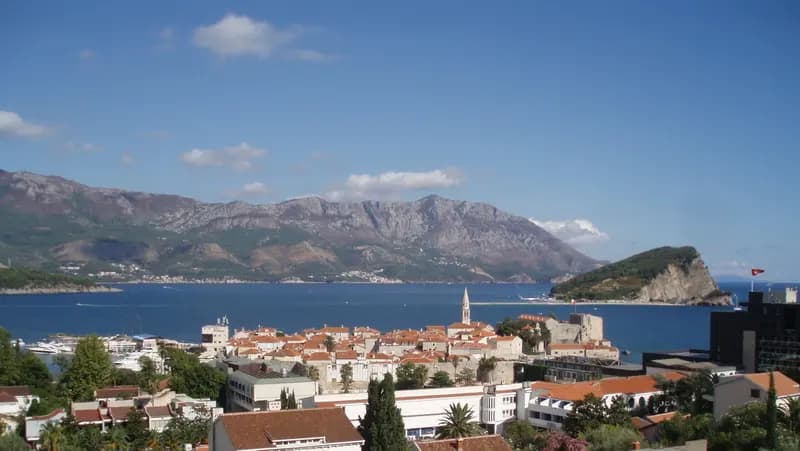
Montenegro: nomad visa for up to 4 years and 9-15% taxation
Montenegro offers a nomad permit with a long cumulative duration and one of the lowest tax scales in Europe. The combination is coherent, but it leads straight to Montenegrin tax residency — which is no small matter.
· Editorial team

Nomad visas
Colombia: the nomad visa raised to ≈ $1,400/month
The Colombian visa for remote workers requires modest monthly reference income compared with its competitors. Its duration, however, is short, and the Colombian tax residency threshold is quickly crossed.
· Editorial team

Nomad visas
Montenegro: digital nomad visa extended to up to four years
The extension of Montenegro's digital nomad permit makes it one of the longest in Europe. This duration is its main argument against competing schemes, and it changes its nature: it is no longer a stay, it is a move.
· Editorial team
Nomad visas
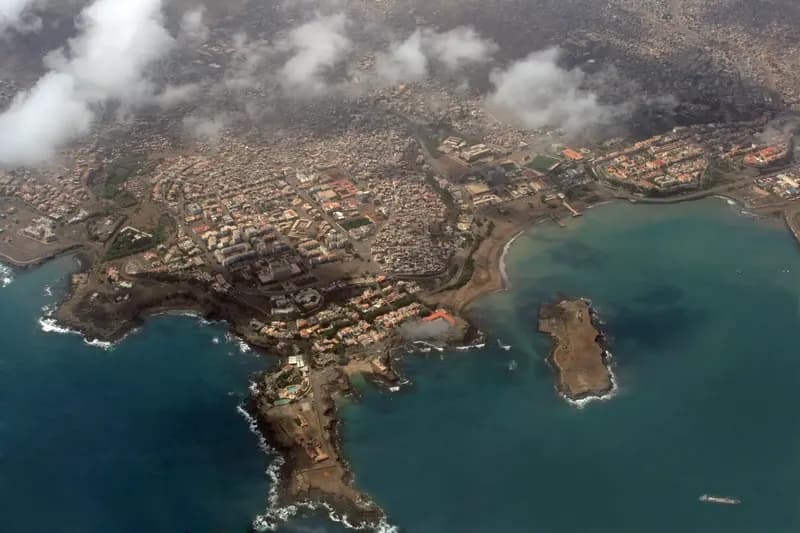
Cape Verde: a nomad visa three hours from Europe
Cape Verde offers a remote work programme a few hours' flight from Europe. Its duration is short and its income threshold modest: it is a scheme for a stay, not a solution for settling.
· Editorial team
Nomad visas
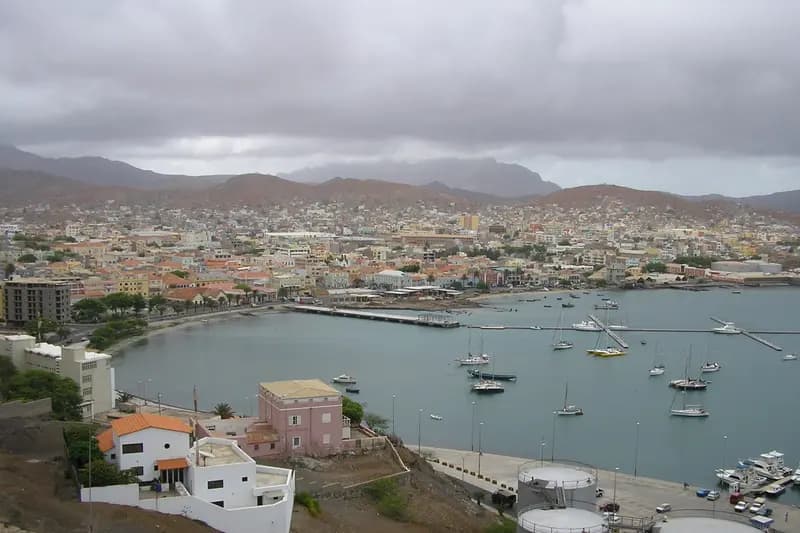
Cape Verde: a nomad visa 3 hours' flight from Europe
Three hours' flight separate Cape Verde from Europe, with no significant time difference. That is the real selling point of the Cape Verdean remote working programme, and it matters more than one might think for a self-employed person.
· Editorial team
Nomad visas
Indonesia: the E33G brings closer monitoring of income
Indonesia has stepped up its monitoring of the income of holders of its visa for remote workers. The measure is consistent with its tax residency rule, which is stricter than most of its equivalents.
· Editorial team
Nomad visas
Estonia: one of Europe's most demanding nomad visas
Estonia's visa for remote workers requires one of the highest incomes in Europe for a one-year stay. This ratio between requirement and duration makes it a very selective scheme, and one that is little used.
· Editorial team

Nomad visas
Colombia: nomad visa threshold raised by 23%
The threshold for Colombia's remote worker visa is indexed to the statutory minimum wage, which is rising fast. This mechanism explains the successive increases, and it matters more than today's amount.
· Editorial team
Nomad visas
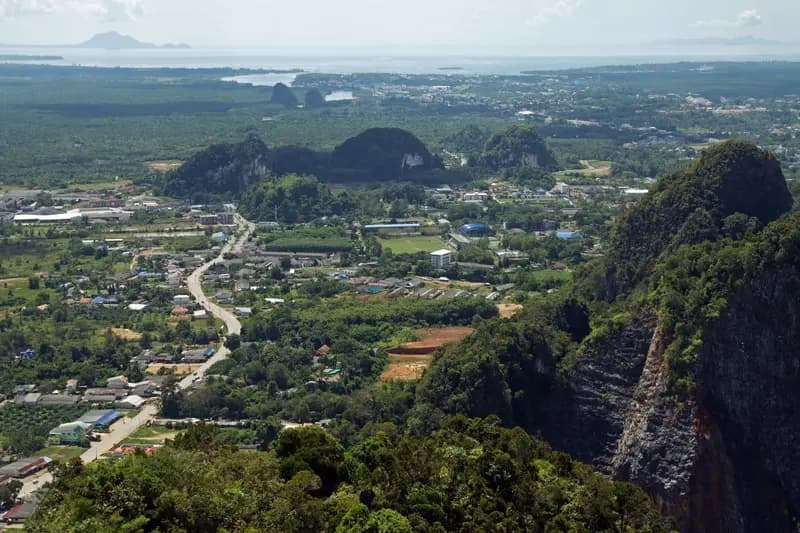
Thailand: excellent hospitals and an unbeatable cost of living
Thailand combines a renowned private hospital sector with a cost of living far below European levels. Two caveats apply, however, and they concern precisely these two arguments.
· Editorial team
Nomad visas
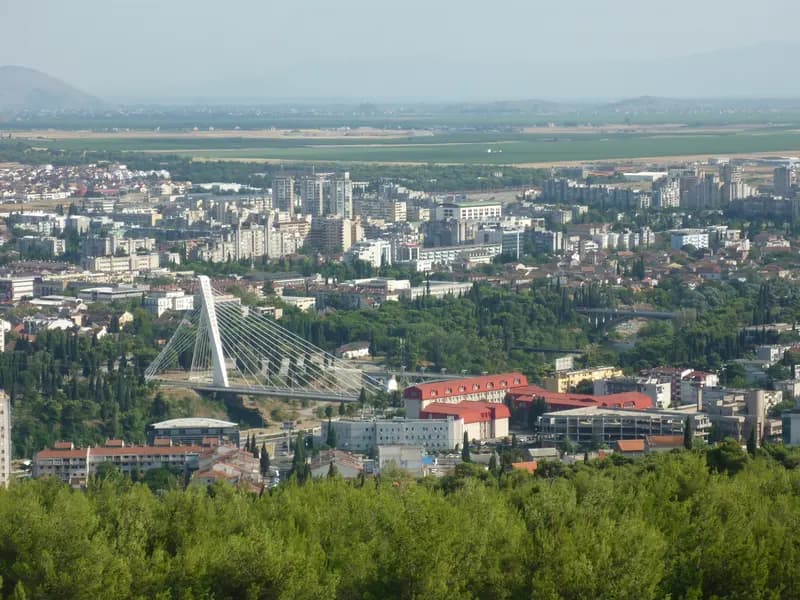
Montenegro: Kotor appeals to nature-seeking nomads
Kotor attracts remote workers for its setting and its cost. Yet the bay is the most seasonal area of Montenegro, and it is this seasonality that decides whether living there year-round is feasible.
· Editorial team

Nomad visas
Philippines: a digital nomad visa in preparation
The Philippines is preparing a permit for remote workers. Until it is in force, the only question that matters remains land law, which will not change.
· Editorial team
Nomad visas
Thailand: the DTV also appeals to “soft power” enthusiasts
The Thai long-stay visa also covers cultural purposes: martial arts, cooking, medical treatment. This extension widens the audience, but the tax rule remains the same for all holders.
· Editorial team

Nomad visas
Georgia: 365 days without a visa, a record for French nationals
Georgia allows French nationals to stay for a whole year without a visa. This unmatched duration makes it possible to test a move — provided you know what it does not give you.
· Editorial team
Nomad visas
Croatia: the non-renewable nomad visa, a limit to be aware of
Croatia’s stay for digital nomads cannot be renewed back to back. This limit is by design, not by accident: it follows from the tax advantage the scheme grants.
· Editorial team